

What you'll learn in this guide
- Balanced daily nutrition for the brain Learn how stable blood sugar levels, healthy fats, and essential micronutrients support concentration, mental clarity, and long-term brain resilience.
- Foods scientifically linked to better memory Understand how specific foods are associated with improved cognitive performance, reduced inflammation, and protection against age-related cognitive decline.
- Lifestyle habits that protect cognitive function Discover how sleep, stress management, and daily routines work together with nutrition to support memory, focus, and mental sharpness.
The "Brain Nut" — When Nature Imitates the Brain
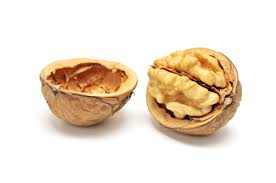
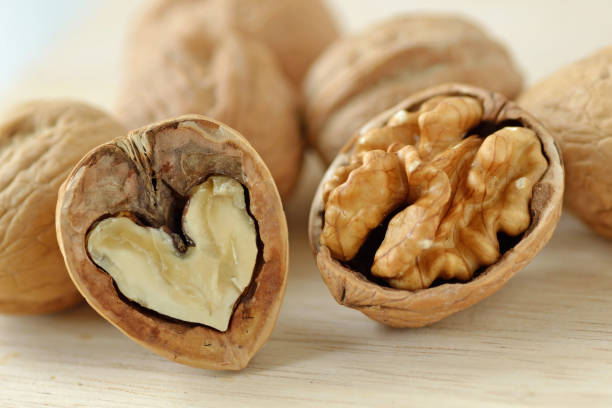
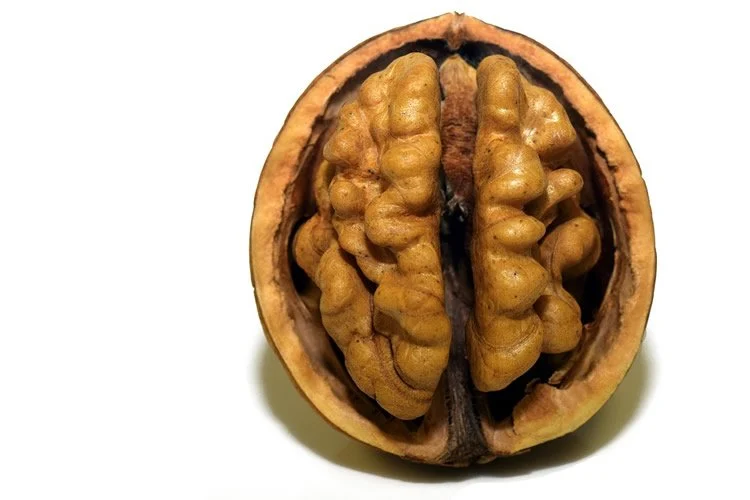
Walnuts are often called "Brain Nuts" because of their unique appearance. When opened, a walnut closely resembles the structure of the human brain, with two hemispheres and intricate folds that mirror cerebral gyri.
This visual similarity has given walnuts special attention in nutritional education, especially when paired with their nutrient composition.
From a nutritional standpoint, walnuts provide:
- Plant-based omega-3 fatty acids (ALA), important for neuronal membranes
- Polyphenols and antioxidants associated with reduced oxidative stress
- Vitamin E, linked to protection of brain cells
- Minerals such as magnesium that support nerve signaling
Research highlighted by Harvard Health Publishing associates regular nut consumption, including walnuts, with better cognitive performance and healthier brain aging when included as part of a balanced diet.
Key Brain-Healthy Foods (Science-Based)
🥬Leafy Green Vegetables
Spinach, kale, and broccoli are rich in folate, vitamin K, and antioxidants.
Studies from Harvard Medical School associate regular intake with slower cognitive decline over time.
🐟Fatty Fish
Salmon, sardines, and mackerel are rich in omega-3 fatty acids (DHA and EPA), which play a structural role in brain cells and neural communication.
NIH-supported research links omega-3 intake to memory and learning support.
🫐Berries
Blueberries and strawberries contain flavonoids that support brain signaling and help reduce oxidative stress.
Research cited by Harvard Health Publishing suggests berries may help delay cognitive aging.
🥜Nuts and Seeds (Including "Brain Nuts")
Walnuts, almonds, flaxseeds, and chia seeds provide healthy fats, antioxidants, and vitamin E.
These nutrients help protect neurons from oxidative damage and support long-term brain health as part of a varied diet.
🫒Olive Oil
Extra virgin olive oil, a cornerstone of the Mediterranean diet, is associated with better cognitive performance and reduced neuroinflammation, according to studies referenced by CNN Health.
Daily Habits That Support Memory
- Maintaining a consistent sleep schedule (7–9 hours per night)
- Engaging in regular physical activity to increase cerebral blood flow
- Managing stress through relaxation or mindfulness practices
- Eating balanced meals that help avoid sharp blood sugar fluctuations
Research from Stanford University and Harvard suggests that lifestyle factors strongly influence how effectively nutrition supports brain health.
Why Nutrition Matters for the Brain
The brain consumes a significant portion of the body's energy and is especially sensitive to inflammation, oxidative stress, and nutrient deficiencies.
Long-term dietary patterns, rather than short-term interventions, play the most important role in supporting memory, focus, and cognitive longevity. Foods like walnuts and other whole, minimally processed options help provide consistent nutritional support over time.
This guide is designed to explain why certain foods matter, not to promote supplements or medical treatments.
Scientific References
- Harvard Medical School. "Foods linked to better brainpower." Harvard Health Publishing.
- National Institutes of Health (NIH). "Omega-3 Fatty Acids and Brain Health." Office of Dietary Supplements.
- Stanford University School of Medicine. "The role of nutrition in cognitive aging." Stanford Center on Longevity.
- Gómez-Pinilla F. "Brain foods: the effects of nutrients on brain function." Nat Rev Neurosci. 2008;9(7):568-578.
- Pase MP, et al. "The effects of long-chain omega-3 fish oils and multivitamins on cognitive and cardiovascular function." J Psychopharmacol. 2015;29(6):661-672.
FDA Disclaimer
*These statements have not been evaluated by the Food and Drug Administration. This product is not intended to diagnose, treat, cure, or prevent any disease.
The information provided on this website is for educational and informational purposes only and is not intended as a substitute for advice from your physician or other healthcare professional.
Individual results may vary. Always consult with a qualified healthcare provider before starting any new dietary supplement, health program, or if you have any questions regarding a medical condition.
Educational Disclaimer
This content is for educational and informational purposes only. It does not diagnose, treat, cure, or prevent any disease and is not intended as a substitute for professional medical advice.
Always consult a qualified healthcare professional before making significant dietary or lifestyle changes.
